RYT 200 Certification: Everything You Need to Know About Becoming a Registered Yoga Teacher
RYT 200 Certification: Everything You Need to Know About Becoming a Registered Yoga Teacher
Yoga has evolved into one of the world's fastest-growing wellness practices. According to the **Global Wellness Institute**, the global wellness economy exceeded **US$6.3 trillion in 2023**, with yoga being a major contributor to the mind-body wellness segment. As demand for qualified yoga instructors continues to rise, the **RYT 200 (Registered Yoga Teacher 200-Hour Certification)** has become the most recognized entry-level credential for aspiring yoga teachers worldwide.
Whether you dream of teaching yoga professionally or simply want to deepen your personal practice, earning an RYT 200 certification is the first step toward a rewarding journey.
## What is RYT 200?
RYT 200 stands for **Registered Yoga Teacher (200 Hours)**. It is a globally recognized certification awarded to yoga teachers who successfully complete a **200-hour Yoga Teacher Training (YTT)** from a **Yoga Alliance Registered Yoga School (RYS 200)**.
After completing the training, graduates can register with Yoga Alliance as an RYT 200, demonstrating that they have met internationally accepted standards in yoga education.
## Why is RYT 200 Important?
An RYT 200 certification provides credibility and opens opportunities to teach yoga across studios, wellness retreats, fitness centers, schools, and online platforms.
Some key benefits include:
* Internationally recognized certification * Strong foundation in yoga philosophy and practice * Ability to teach beginner and intermediate classes * Improved personal physical and mental well-being * Career opportunities in the rapidly growing wellness industry
Today, thousands of yoga studios worldwide prefer instructors with Yoga Alliance-recognized certifications.
## What Does the 200-Hour Curriculum Cover?
A comprehensive RYT 200 program goes beyond learning yoga postures. It develops your understanding of yoga as a complete science of body, mind, and consciousness.
Typical training includes:
### 1. Yoga Asanas (Postures)
Students learn proper alignment, modifications, adjustments, sequencing, and safe teaching methodologies for dozens of yoga postures.
### 2. Pranayama
Breathing techniques such as Nadi Shodhana, Kapalabhati, Bhastrika, and Ujjayi help improve respiratory health, concentration, and energy management.
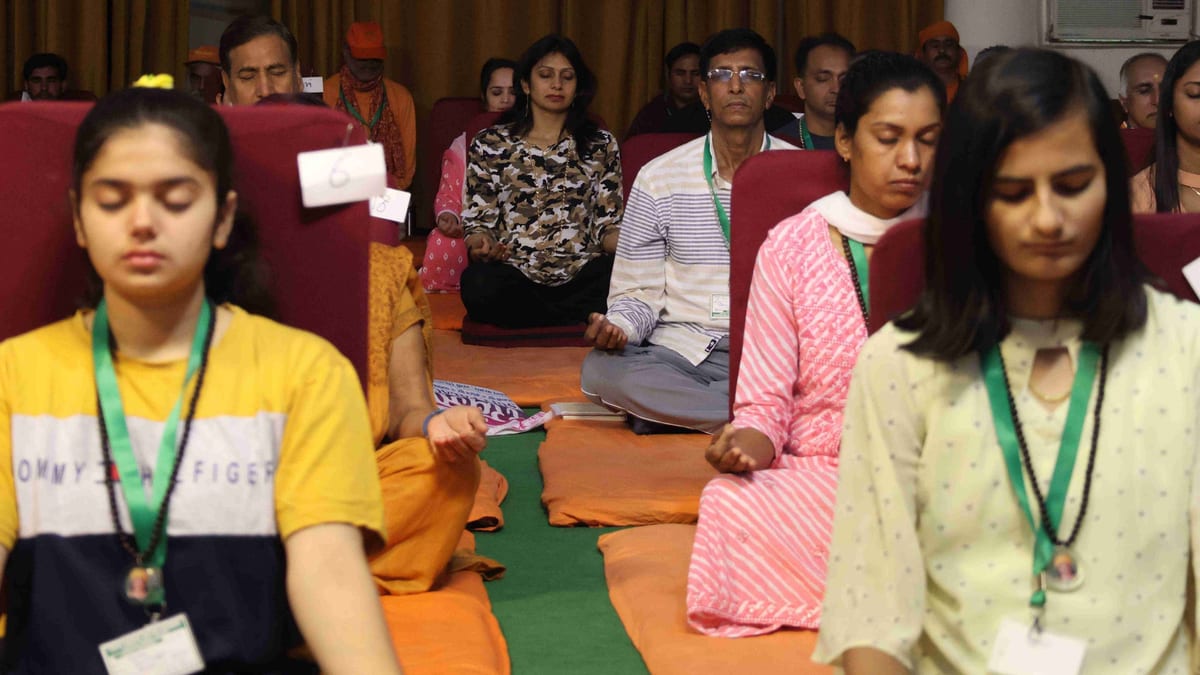
### 3. Meditation
Daily meditation practices improve mindfulness, emotional balance, and mental clarity while preparing future teachers to guide others.
### 4. Yoga Philosophy
Students study classical texts such as:
* Patanjali Yoga Sutras * Bhagavad Gita * Hatha Yoga Pradipika
These teachings provide the philosophical foundation of authentic yoga.
### 5. Anatomy and Physiology
Understanding muscles, joints, movement patterns, and injury prevention enables teachers to conduct safe and effective yoga classes.
### 6. Teaching Methodology
Future instructors develop practical teaching skills including:
* Class planning * Voice modulation * Demonstration techniques * Hands-on adjustments * Student observation * Classroom management
## Growing Demand for Certified Yoga Teachers
The yoga industry continues to expand rapidly.
Some notable statistics include:
* More than **300 million people** practice yoga globally. * The global yoga market is projected to exceed **US$200 billion by 2030**, driven by increasing interest in preventive healthcare and holistic wellness. * Millions of people now attend online yoga classes every month, creating new opportunities for certified instructors. * Corporate wellness programs increasingly include yoga to improve employee health and productivity.
This sustained growth has significantly increased demand for professionally trained yoga teachers.
## Who Should Enroll in an RYT 200 Program?
The certification is ideal for:
* Yoga practitioners seeking deeper knowledge * Aspiring yoga teachers * Wellness coaches * Fitness professionals * Physiotherapists * Meditation practitioners * Healthcare professionals interested in holistic wellness
No advanced flexibility is required. Most schools welcome students with at least six months of regular yoga practice.
## Career Opportunities After RYT 200
Graduates can explore multiple career paths, including:
* Yoga Studio Instructor * Private Yoga Teacher * Online Yoga Coach * Corporate Wellness Trainer * Retreat Facilitator * School Yoga Instructor * Community Wellness Educator
Many teachers also build successful personal brands through YouTube, Instagram, and online courses, reaching students globally.
## Choosing the Right RYT 200 Program
When selecting a Yoga Teacher Training course, consider:
* Yoga Alliance registration * Experienced faculty * Balanced curriculum * Small batch sizes * Practical teaching opportunities * Authentic lineage and philosophy * Student reviews and testimonials
Programs that integrate traditional yogic wisdom with modern teaching methods often provide the most comprehensive learning experience.
## Final Thoughts
An **RYT 200 certification** is more than a teaching qualification—it is a transformative journey of self-discovery, discipline, and service. By combining physical practice, meditation, philosophy, and teaching skills, it prepares individuals to inspire healthier, more mindful communities.
As global awareness of holistic health continues to grow, certified yoga teachers are increasingly valued for their ability to guide individuals toward physical vitality, mental clarity, and emotional well-being. If you aspire to make a meaningful impact through yoga, an RYT 200 certification is an excellent place to begin your journey.